
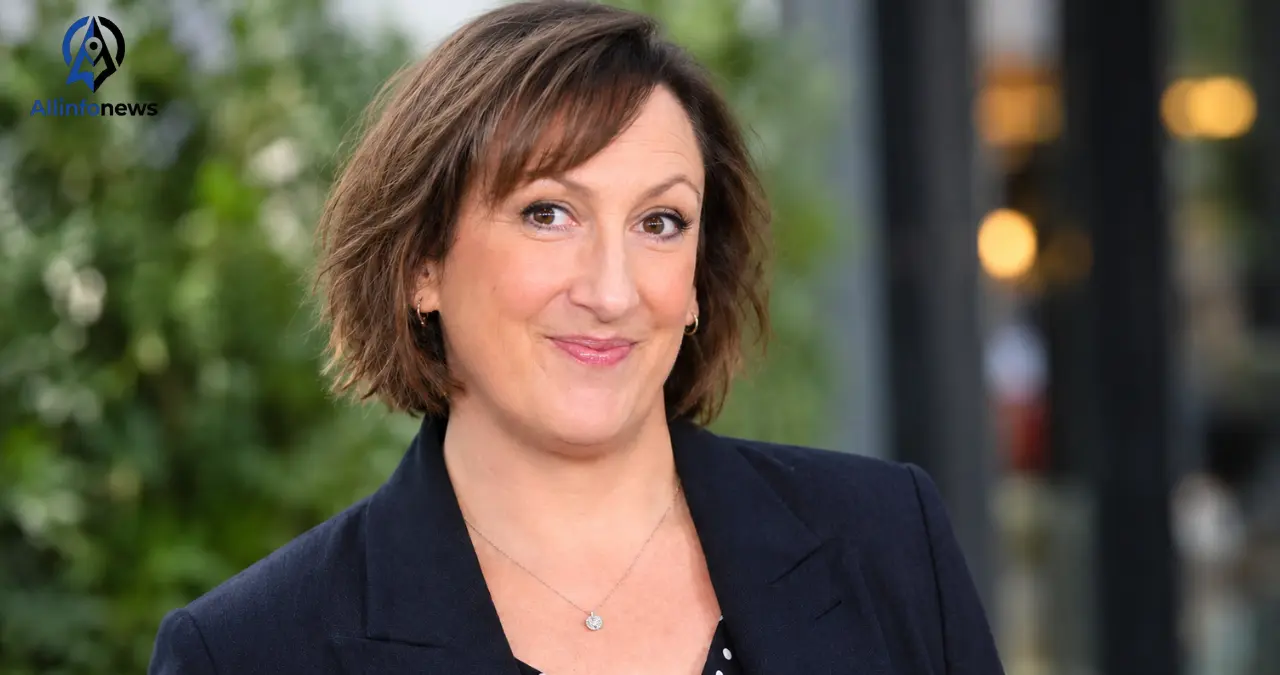
Miranda Hart Illness: Latest Health Update in 2026
Miranda Hart’s illness kept the British comedian and actress away from much of the public eye for years. Best known for her BBC sitcom Miranda, she has spoken openly about living with Lyme disease, myalgic encephalomyelitis (ME), also known as chronic fatigue syndrome, and the impact of long-term ill health on her career and personal life.
In October 2026, Miranda returned to television as a contestant on The Celebrity Traitors. During the programme, she reflected on a time when she feared she might never manage a gentle walk around a park again. Taking part in a physical challenge in the Scottish Highlands showed her how much her circumstances had changed.
However, Miranda has not announced a complete recovery. She has said that she continues to manage fatigue and pain associated with ME. Her recent television appearance marks an important step forward, but her experience remains one of progress alongside ongoing health challenges.
What Illness Does Miranda Hart Have?
Miranda Hart has publicly discussed Lyme disease and ME, also known as myalgic encephalomyelitis or chronic fatigue syndrome (ME/CFS). She has also spoken about an earlier diagnosis of agoraphobia.
These are distinct conditions, and each has a different meaning.
Lyme disease is a bacterial infection usually transmitted through the bite of an infected tick. Miranda has explained that specialists eventually connected her long history of unexplained symptoms to Lyme disease.
ME/CFS is a complex chronic condition that can cause severe fatigue, difficulties with concentration and other symptoms that affect everyday activities. Miranda has specifically discussed ongoing fatigue and pain.
Agoraphobia is an anxiety disorder involving fear or anxiety about situations where escape might feel difficult or help might not be available. Miranda has described receiving this diagnosis during her earlier health struggles.
In her 2024 memoir, I Haven’t Been Entirely Honest With You, she shared more details about the years she spent searching for answers and the effect illness had on her independence and career.
Miranda Hart Illness Update: October 2026
Miranda’s return to television has been one of the most significant developments in her recent health journey.
Ahead of The Celebrity Traitors, she explained that she was still living with elements of ME, including fatigue and pain. Although she expected filming to be physically challenging, she felt well enough to take part and wanted to embrace the opportunity.
During an episode broadcast on 16 October 2026, Miranda reflected on how her health had changed her expectations for the future. She explained that three or four years earlier, she had feared she might never enjoy a gentle walk around a park again.
Participating in a mission in the Scottish Highlands left her surprised and excited by what she could now do. The experience gave her a chance to recognise the progress she had made after years of severe illness.
Her comments also highlighted why returning to television mattered to her personally. She had spent a long time away from regular work and missed the enjoyment of taking part in shared activities.
The programme has allowed viewers to see Miranda in a different setting while bringing renewed attention to her experience of chronic illness.
Nevertheless, her participation should not be confused with a medical declaration that she has recovered. Miranda has continued to acknowledge the symptoms she needs to manage.
Is Miranda Hart Fully Recovered?
No. Miranda Hart has not publicly confirmed that she has completely recovered from ME or that all her health problems have ended.
In September 2026, before The Celebrity Traitors aired, she explained that she still experienced elements of ME that brought fatigue and pain. She also acknowledged that the demands of filming would challenge her physically.
Her return to television shows that she felt able to take on new experiences. It does not establish that her symptoms have disappeared.
ME/CFS affects people differently. Some experience fluctuating symptoms, while others face substantial restrictions in everyday life. Physical or mental exertion can also cause symptoms to worsen after activity, a problem known as post-exertional malaise.
Miranda’s progress is therefore best understood through her own account: she has regained opportunities that once seemed impossible, while continuing to manage aspects of her condition.
For anyone searching for the latest Miranda Hart recovery news, the important distinction is that she has returned to television without claiming a complete recovery.
How Lyme Disease Affected Miranda Hart’s Life
Miranda has described feeling unwell from her teenage years. She has said that her symptoms may have begun when she was around 15 and living in Virginia in the United States, where her father was working.
Virginia is an area where Lyme disease occurs. Miranda later explained that specialists reviewed her health history and connected her symptoms to Lyme disease.
The exact circumstances of infection were not independently established in the public reporting, so it is more accurate to describe Virginia as the possible starting point she identified rather than a medically confirmed location.
For years, Miranda struggled with symptoms without fully understanding their cause. She described the experience as feeling as though she had the flu much of the time, even when other people could not see how unwell she felt.
The eventual diagnosis helped explain aspects of her long health history. She has described the frustration of seeking answers and the difficulty of continuing with everyday life while feeling persistently unwell.
Lyme disease is a bacterial infection, whereas ME/CFS is a chronic condition. Miranda has described specialists connecting the two in her personal medical history, but that does not mean every person with Lyme disease develops ME/CFS or experiences the same complications.
Why Was Miranda Hart Housebound and Bedbound?
Miranda has said that her health deteriorated severely after the end of her sitcom in 2015. During the following years, she spent prolonged periods housebound and bedbound.
The illness affected her ability to work, maintain friendships and take part in ordinary activities. She has described losing her social life and the sense of identity that had previously come from her career.
Even relatively simple activities could feel difficult when her symptoms were severe. The experience also affected her confidence about what she might be able to do in the future.
Her time away from television was not simply a planned career break. Her health problems substantially limited her daily life, and she needed time to understand and manage what was happening.
Miranda has explained that the years of uncertainty were particularly difficult because she did not initially have a clear explanation for her symptoms.
Her later return to television is meaningful in this context. It represents an opportunity to participate in activities that were once beyond her capabilities, rather than proof that the years of illness have left no lasting effects.
What Is ME/CFS, the Condition Miranda Hart Still Manages?
Myalgic encephalomyelitis, commonly called ME, is a chronic condition that can significantly affect a person’s ability to function in everyday life. The term ME/CFS is widely used to describe the condition.
Symptoms vary, but can include severe fatigue that is not adequately relieved by rest, unrefreshing sleep, difficulty concentrating, muscle or joint pain and post-exertional malaise.
Post-exertional malaise refers to a worsening of symptoms following physical, mental or emotional exertion. The effects can be delayed and may last longer than expected.
Some people with ME/CFS can continue working with adjustments, while others become severely limited in their daily activities.
Miranda has specifically said that she continues to manage fatigue and pain. Her public statements do not establish that she experiences every symptom associated with ME/CFS.
There is no single treatment that cures ME/CFS for everyone. Medical care generally focuses on managing symptoms, supporting daily functioning and adapting activities to individual needs.
Her experience also highlights an important problem for people with chronic illness: symptoms may not be visible to others. Someone can appear well during a public appearance while still experiencing significant pain or fatigue.
Miranda Hart’s Agoraphobia Diagnosis
Miranda has also spoken about being diagnosed with agoraphobia during her earlier struggles with ill health.
Agoraphobia involves fear or anxiety about situations in which a person feels that escape might be difficult or help might not be available. It can affect someone’s willingness or ability to leave home, although the experience varies between individuals.
Miranda has described initially receiving diagnoses of agoraphobia and ME before specialists connected Lyme disease to her wider health history.
It would be inaccurate to suggest that agoraphobia alone explains why she spent years housebound. She has separately described the debilitating effects of her physical symptoms and chronic illness.
Her account illustrates why it is important to distinguish between different diagnoses rather than assuming that every symptom or limitation has the same cause.
Why Did Miranda Hart Return to Television?
Miranda has explained that she accepted the opportunity to appear on The Celebrity Traitors because she felt excited about returning to television.
She had not done much television work for a long time and welcomed the chance to take part in games, spend time outdoors and meet new people. She also recognised that filming could be demanding on her body.
Her decision reflected a desire to follow activities that brought her joy while being realistic about the challenges involved.
The programme gave her an opportunity to return to a professional environment she had missed. It also allowed her to take part in shared experiences after years when illness had restricted her social life.
Rather than presenting herself as completely well, Miranda acknowledged the difficulties and explained why she felt ready to take this step.
Her appearance has become an important part of the latest discussion surrounding Miranda Hart’s illness because it shows how she is approaching new opportunities while managing a chronic condition.
How Chronic Illness Affected Miranda Hart’s Personal Life
Miranda has spoken about the isolation that came with being seriously ill for years. When health problems prevent someone from working or socialising, the impact can extend beyond physical symptoms.
She has described missing friendship, laughter and the feeling of being connected to other people. The experience also changed her understanding of what she wanted from life.
In 2024, Miranda revealed that she had married Richard Fairs. She spoke positively about the relationship, describing it as a joyful development after a difficult period.
Her marriage and return to television are important milestones in her personal story. However, neither should be treated as evidence that her chronic illness has been cured.
Instead, they show how she has continued to build a fulfilling life while managing long-term health challenges.
What Has Miranda Hart Said About Living With Chronic Illness?
One of Miranda’s main observations is that chronic illness can be invisible. People may not realise that someone is in pain or struggling with fatigue simply by looking at them.
This can make it difficult for people with long-term conditions to explain their limitations or feel understood by others.
Miranda has also discussed the frustration of spending years without clear answers. Not knowing why she felt unwell made it harder to understand her symptoms and plan her life.
Her experience demonstrates that chronic illness can affect physical health, independence, work and relationships at the same time.
By discussing her health publicly, she has helped draw attention to the difficulties faced by people whose symptoms are not always immediately apparent.
Her story is a personal account rather than a prediction of how others with Lyme disease or ME/CFS will recover. Each person’s experience can be different.
Miranda Hart Illness: What Happens Next?
As of 24 October 2026, Miranda’s recent public updates have focused on her return to television and her experience on The Celebrity Traitors.
She has described feeling well enough to participate while continuing to manage ME-related fatigue and pain. Her appearance marks a significant change after years when her health restricted many aspects of daily life.
There has been no confirmed public announcement that she has fully recovered. Future updates about her condition should be based on her own statements or reliable reporting rather than assumptions.
For now, her health journey reflects renewed opportunities alongside ongoing challenges. She has returned to activities she once feared might never be possible again, while remaining open about the symptoms she still manages.
FAQs
What illness does Miranda Hart have?
Miranda Hart has spoken about Lyme disease and ME, also known as myalgic encephalomyelitis or chronic fatigue syndrome. She has also discussed an earlier diagnosis of agoraphobia.
Is Miranda Hart still ill in 2026?
Yes. In September 2026, Miranda said she was still living with elements of ME, including fatigue and pain, although she felt well enough to return to television.
Was Miranda Hart bedbound for years?
Yes. Miranda has publicly described being housebound and bedbound for years during the most debilitating period of her illness.
Does Miranda Hart still have Lyme disease?
Miranda has discussed her Lyme disease diagnosis and its connection to her long-term health history. Her recent public updates have focused on ME-related symptoms. There is no confirmed public statement establishing that all her current symptoms are caused by an active Lyme infection.
Is Miranda Hart recovering?
Her return to television and participation in physical challenges show that she has regained some abilities. However, she has not confirmed a complete recovery and continues to manage symptoms.
Why did Miranda Hart leave television?
Miranda stepped away from much of her television work while dealing with serious, long-term health problems. Her illness affected her ability to work and maintain a normal social life.
What is Miranda Hart’s latest health update?
In October 2026, Miranda reflected on her health journey during The Celebrity Traitors. She described how she once feared she would never manage a gentle walk again and said taking part in a physical challenge in the Scottish Highlands was exciting.
Conclusion
Miranda Hart’s illness affected her career and personal life for years, but her return to television in 2026 marks an encouraging step forward. Although she continues to manage ME-related fatigue and pain, she is embracing experiences she once feared she might never enjoy again. Her story highlights the importance of recognising progress without overlooking the challenges of chronic illness.